💡What You'll Learn
- Why indifference is worse than competition
- How users silently abandon products
- Why features don’t solve engagement issues
- What makes a product truly matter to users
- How to build products users actually care about
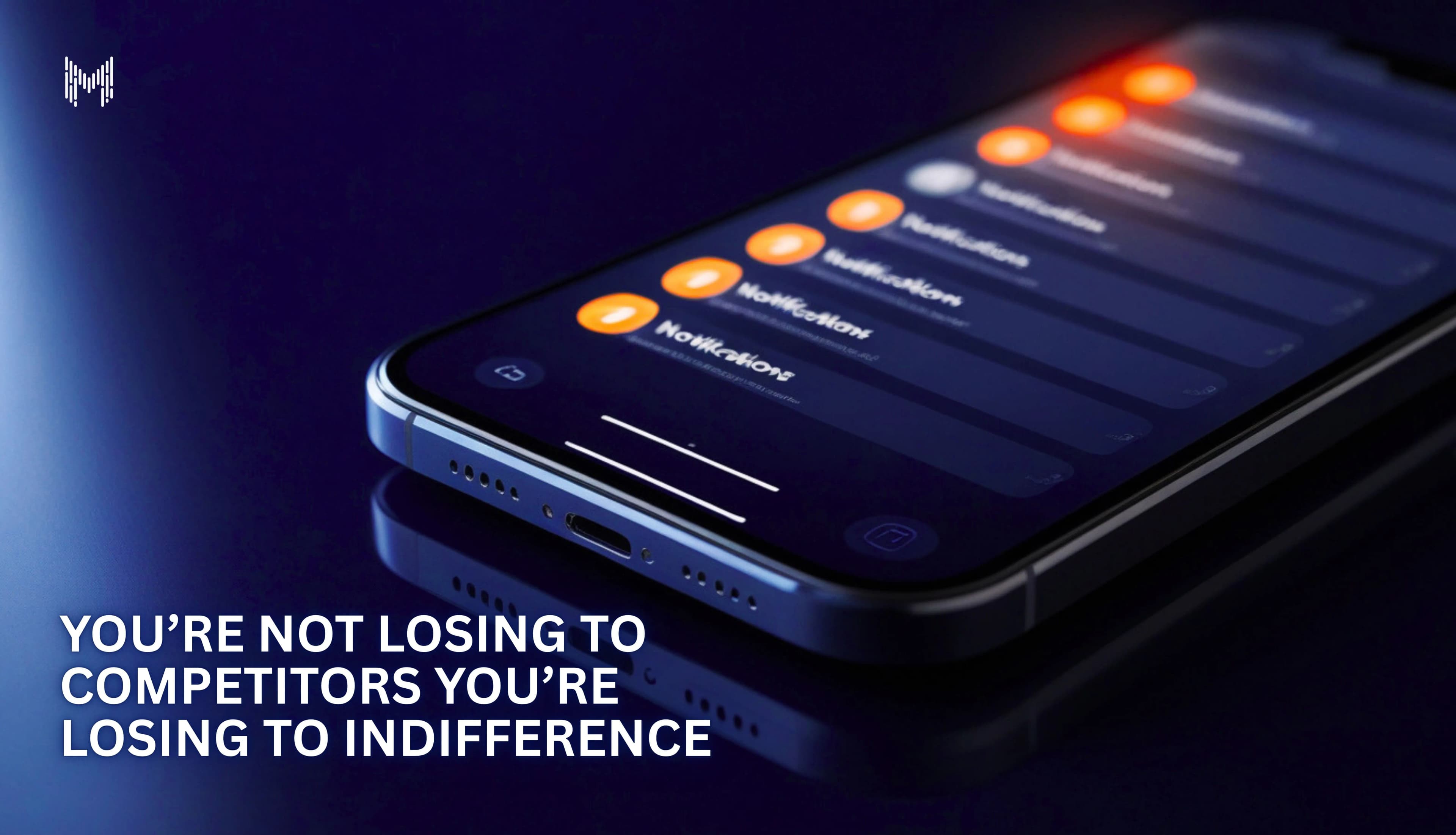
Nobody is choosing someone else over you. They’re just not choosing you at all.
I remember working on a product that everyone internally believed in.
The team was strong.
The features were solid.
The roadmap looked impressive.
We weren’t worried about competitors.
We knew who they were.
We tracked their updates.
We compared features.
And on paper?
We were better.
But something strange kept happening.
Users weren’t switching to competitors.
They just… weren’t staying.
No complaints.
No angry feedback.
No dramatic churn.
Just silence.
The Most Dangerous Problem No One Talks About
When a user hates your product, at least you know something is wrong.
They complain.
They leave feedback.
They tell you what didn’t work.
That’s fixable.
But indifference?
That’s invisible.
No one emails you saying:
“Hey, I didn’t care enough to keep using this.”They don’t explain.
They don’t warn you.
They just stop coming back.
You Think You’re Competing But You’re Not
Most teams think they’re in a competitive battle.
“We need more features.”
“We need to match what others are doing.”
“We need to outperform them.”
But users aren’t sitting there comparing dashboards.
They’re not analyzing your roadmap.
They’re not thinking:
“Should I choose Product A or Product B?”
They’re thinking:
“Do I care about this at all?”
And if the answer is no…
You lose before the competition even begins.
Indifference Looks Like “Normal Behavior”
This is why it’s so dangerous.
Indifference doesn’t look like failure.
It looks like:
- users signing up but not returning
- features being used once and forgotten
- low engagement without clear complaints
- polite feedback with no real excitement
Everything feels… fine.
But nothing is actually working.
The Real Reason Users Don’t Care
Here’s the uncomfortable truth:
Most products don’t fail because they’re bad.
They fail because they’re not important enough.
They don’t solve a problem strongly enough.
They don’t create urgency.
They don’t become part of a user’s routine.
They sit in the “maybe useful” category.
And “maybe useful” is where products go to die.
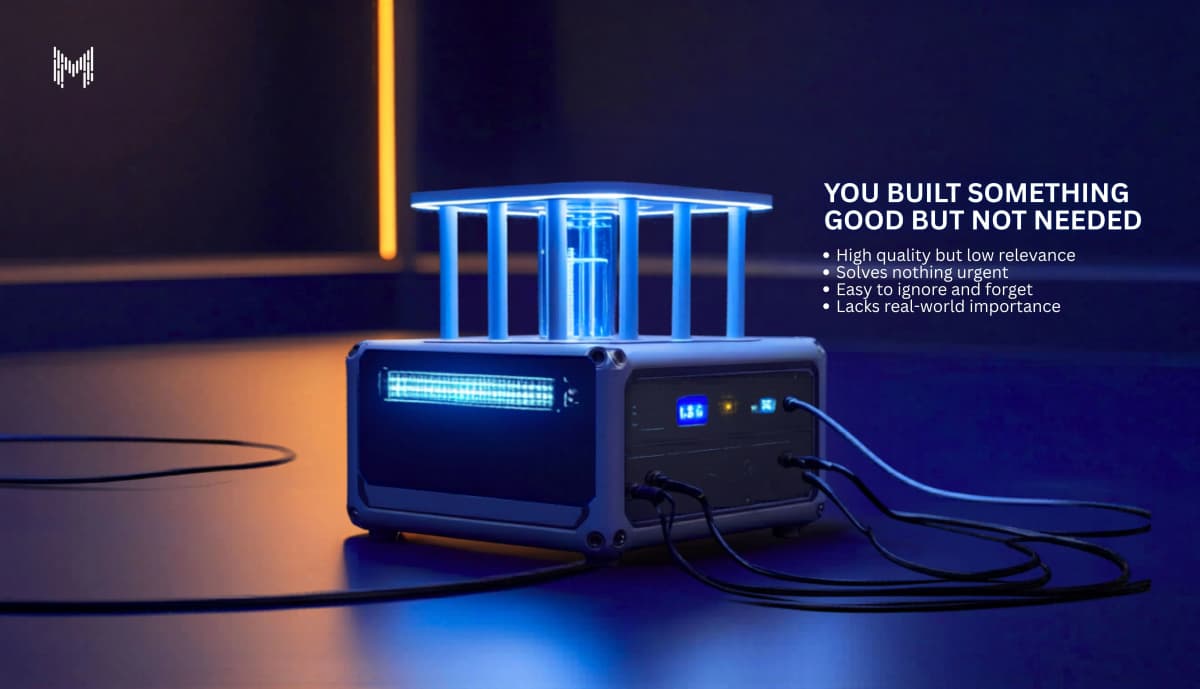
You Built Something Good But Not Needed
This is where most teams get stuck.
They build something that works.
It’s functional.
It’s usable.
It’s even “nice.”
But it’s not:
- essential
- urgent
- irreplaceable
So users try it…
And then forget it exists.
Why Features Don’t Fix This
When teams notice low engagement, they react the same way.
They add more.
More features.
More options.
More improvements.
It feels like progress.
But it doesn’t solve the real problem.
Because indifference isn’t caused by a lack of features.
It’s caused by a lack of meaningful value.
The Harsh Reality
Users don’t care how much effort you put in.
They don’t care how complex your system is.
They don’t care how many features you built.
They care about one thing:
“Does this matter to me right now?”
If the answer isn’t obvious…
They move on.
What Makes Users Actually Care
If you want to beat indifference, you need to change the game.
Not by adding more.
But by focusing on what truly matters.
1. Solve a Real Problem
Not a hypothetical one. Not a “nice-to-have.”
Something users actively feel.
2. Create Urgency
If users can delay using your product, they will.
And most of the time, delay turns into never.
3. Be Obvious
Users shouldn’t have to figure out why your product matters.
It should be clear instantly.
4. Fit Into Their Life
If your product doesn’t become part of a routine, it won’t last.
The Shift Most Teams Avoid
To fix indifference, you don’t need more features.
You need harder decisions.
You need to:
- remove things that don’t matter
- focus on one core value
- simplify your message
- stop trying to do everything
And that’s uncomfortable.
Because it means letting go of things you built.
A Question That Changes Everything
Instead of asking:
❌ “How do we beat competitors?”
Ask:
✅ “Why should anyone care about this at all?”
That one question will expose everything.
Why This Matters More Than Ever
We’re in a world where:
- building products is easier than ever
- launching is faster than ever
- competition is everywhere
So the real challenge isn’t building.
It’s being remembered.
And in a world full of options…
Indifference is the default.
Why Choose Mkaits Technologies
At Mkaits Technologies, we’ve seen this pattern repeatedly.
Products don’t fail because they’re technically weak.
They fail because they don’t connect.
That’s why we focus on:
- user-centered design
- clarity-first product strategy
- reducing cognitive load
- building products people actually use
Because success doesn’t come from adding more.
It comes from making something people care about.