💡What You'll Learn
- How AI agents differ from apps
- Why businesses must prepare now
- How AI agents automate workflows
- The future of autonomous software
- Why AI agents create competitive advantages
The next generation of software won’t wait for your instructions. It’ll work on your behalf.
A few years ago, if you wanted software to do something, you had to tell it exactly what to do.
Click here.
Fill out this form.
Press this button.
Open this dashboard.
Software was passive.
Humans were active.
That relationship is about to flip.
And most businesses haven’t realized it yet.
Remember When Apps Changed Everything?
There was a time when having a mobile app felt innovative.
Businesses rushed to launch apps.
Startups built entire companies around them.
Consumers downloaded millions of apps to solve every possible problem.
Need a ride?
There’s an app for that.
Need food?
There’s an app for that.
Need to track your fitness?
There’s an app for that too.
For over a decade, apps became the primary way humans interacted with technology.
But something interesting is happening.
The next major shift isn’t about better apps.
It’s about replacing them altogether.
Enter AI Agents
Most people think AI is just a chatbot.
Ask a question.
Get an answer.
End of conversation.
That’s not where things are heading.
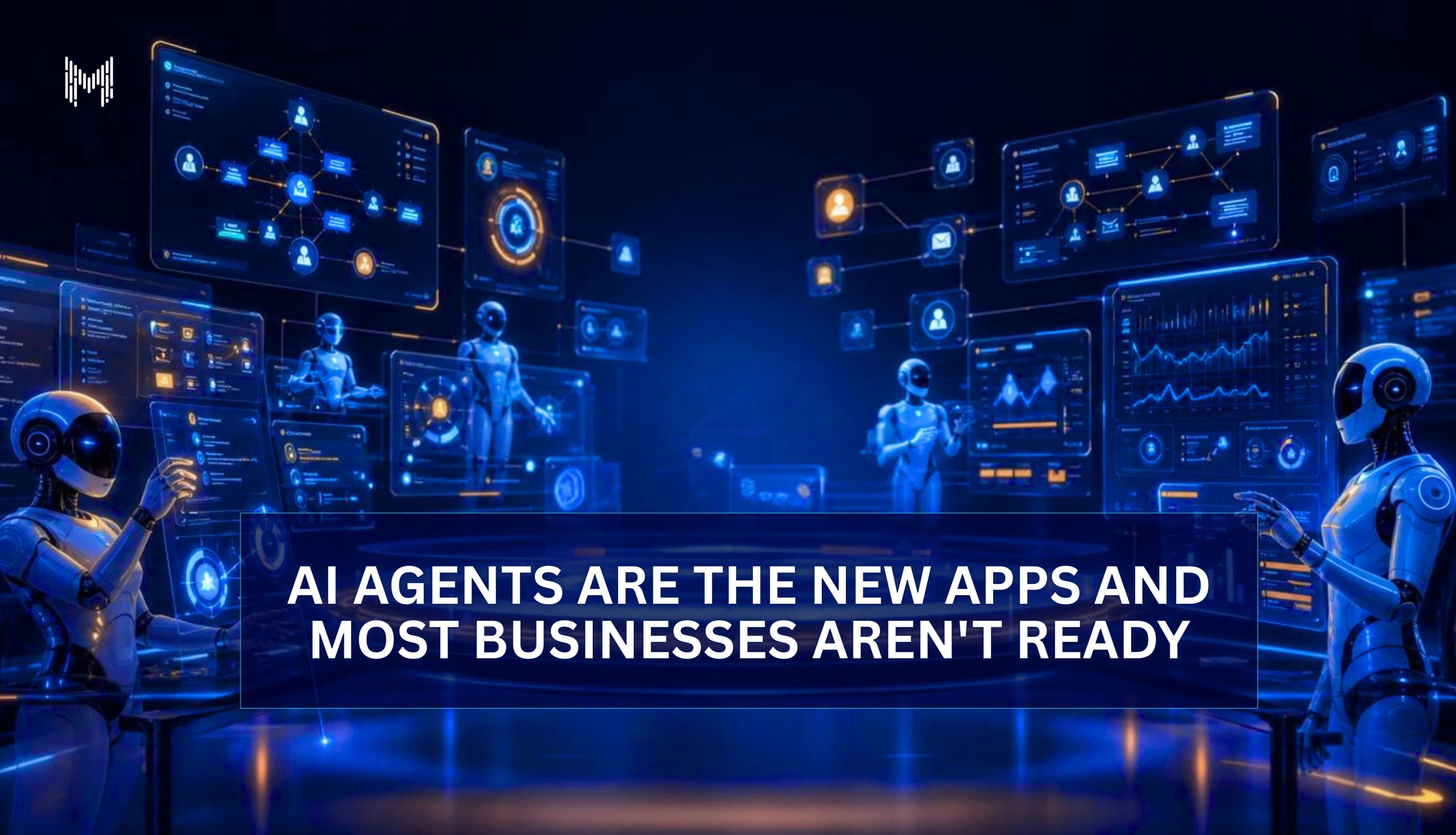
AI agents are different.
Instead of simply responding, they can act.
They can:
- Research information
- Schedule meetings
- Analyze data
- Manage workflows
- Monitor systems
- Generate reports
- Coordinate tasks
- Make recommendations
And increasingly, they can do these things without constant human supervision.
That’s a huge shift.
Apps Wait for Instructions — Agents Pursue Goals
This is the difference most people miss.
Traditional software waits.
AI agents work.
Imagine telling software:
“Find the best suppliers, compare prices, negotiate initial terms, and prepare a summary by tomorrow.”
An app can’t do that.
An AI agent potentially can.
The focus moves from commands to outcomes.
From clicking buttons to assigning objectives.
Businesses Are Preparing for the Wrong Future
Right now, many companies are racing to add AI features.
They launch chatbots.
Add AI-powered search.
Generate AI-written content.
And then announce they’re “AI-enabled.”
But adding AI features isn’t the same as preparing for AI agents.
It’s like adding a faster horse when automobiles are about to arrive.
The real transformation isn’t the feature.
It’s the operating model.
Think About What Happens Inside Most Businesses
Every day, employees spend hours:
- Updating spreadsheets
- Writing reports
- Organizing information
- Managing emails
- Scheduling meetings
- Conducting research
- Following up with clients
These tasks keep businesses running.
But they’re also highly structured.
And structured work is exactly where AI agents thrive.
The Workforce Is About to Change
Not because humans disappear.
Because work changes.
Historically, technology automated physical labor.
Then it automated repetitive digital tasks.
Now it’s beginning to automate decision-support work.
That doesn’t eliminate human value.
It changes where value comes from.
The most valuable employees may no longer be the ones who execute tasks.
They may be the ones who define goals, exercise judgment, and make strategic decisions.
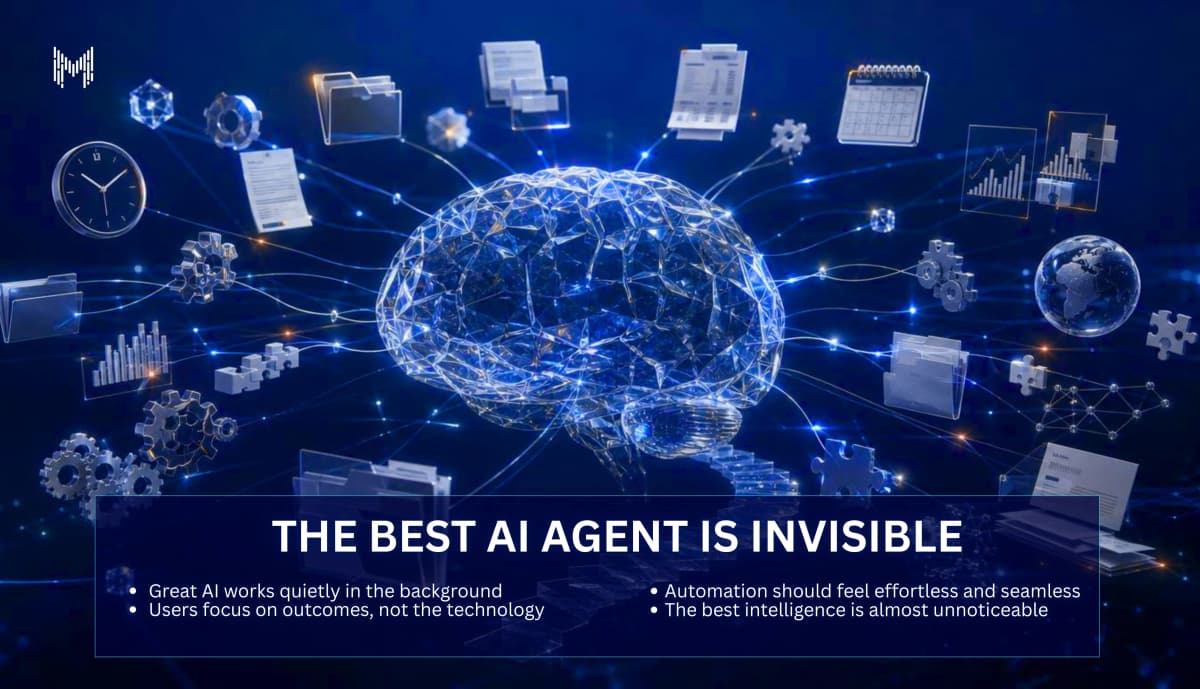
The Best AI Agent Is Invisible
When technology works perfectly, people stop noticing it.
Think about GPS.
Most people don’t appreciate how much intelligence sits behind navigation systems.
They just expect directions to work.
AI agents will likely follow the same path.
The most successful agents won’t feel futuristic.
They’ll feel normal.
They’ll quietly handle the work nobody wants to think about.
The Companies That Move First Will Have an Advantage
Every technological shift creates winners and losers.
When the internet arrived, some companies embraced it.
Others ignored it.
When cloud computing emerged, some adapted.
Others fell behind.
AI agents represent another shift of similar magnitude.
Businesses that learn how to integrate intelligent agents into operations today may gain years of advantage over competitors.
Because productivity isn’t the only benefit.
Speed is.
And speed compounds.
Imagine a Typical Workday in Five Years
A founder wakes up and checks their dashboard.
Not a dashboard of data.
A dashboard of agents.
One agent monitors customer feedback.
Another tracks competitors.
Another manages marketing campaigns.
Another forecasts cash flow.
Another handles support tickets.
They don’t just provide information.
They take action.
The human role becomes supervision rather than execution.
That future is closer than most people think.
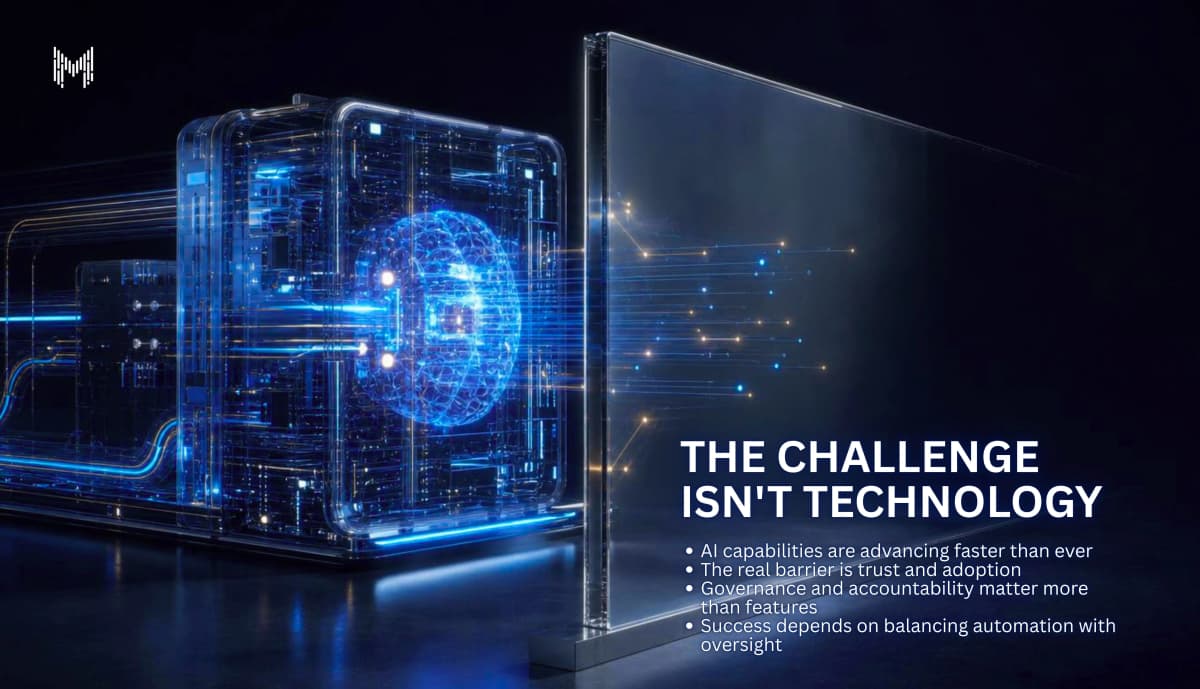
The Challenge Isn’t Technology — It’s Trust
Many organizations still struggle to trust automation.
That’s understandable.
Business leaders worry about:
- Accuracy
- Security
- Compliance
- Accountability
And they should.
AI agents will need strong governance, clear boundaries, and human oversight.
The goal isn’t replacing people.
It’s amplifying their capabilities.
The businesses that understand this balance will benefit most.
AI Agents Will Create New Expectations
Just as smartphones changed customer expectations, AI agents will do the same.
Customers will expect:
- Faster responses
- Smarter recommendations
- Personalized experiences
- Instant support
- Proactive service
Companies relying entirely on manual processes will find it increasingly difficult to compete.
Not because they’re bad businesses.
Because expectations will evolve faster than they can.
The Biggest Mistake Businesses Can Make
Is assuming this is a future problem.
It’s not.
The infrastructure is already being built.
The tools already exist.
The experimentation has already started.
The question isn’t whether AI agents are coming.
The question is:
Will your business learn to work with them before your competitors do?
Why Choose Mkaits Technologies
At Mkaits Technologies, we help businesses prepare for the future of intelligent automation through AI-powered solutions designed for real-world impact.
Our expertise includes:
- AI Agent Development
- Custom AI Applications
- Workflow Automation
- Intelligent Business Systems
- Cloud Infrastructure
- Enterprise Software Development
- AI + Blockchain Integrations
Because the future of software isn’t just smarter.
It’s autonomous.
Every major technological shift begins the same way.
At first, it feels like a trend.
Then it becomes an advantage.
Then it becomes the standard.
AI agents are currently in the advantage stage.
But not for long.
The next generation of software won’t simply wait for instructions.
It will work toward objectives.
It will coordinate tasks.
It will execute workflows.
And it will fundamentally change how businesses operate.
The companies preparing for that reality today won’t just be more efficient tomorrow.
They’ll be operating in an entirely different league.